My Activity Tracking
0
kms
My target 25 kms
I’m taking part in Walk for Epilepsy because...
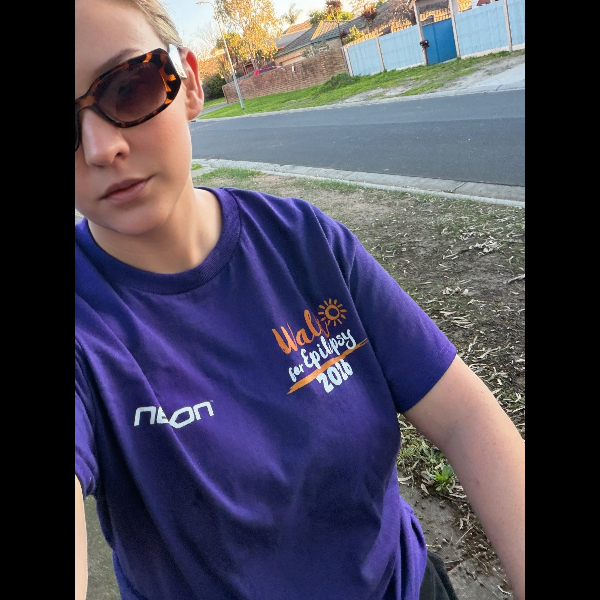
After being diagnosed with Epilepsy this year and all that I have experienced on this journey, I want to help raise money and make a difference for people living with epilepsy like myself. So I will be putting one foot forward by walking 25km in 25 days as I have become 1 in 25 to be diagnosed with Epilepsy in Australia, Please help me by giving whatever you can using the 'Donate' button. The more people that know about the walk, the greater the impact, so please also spread the word by sharing with your friends and family.
Thank-you in advance for your generosity, it means more than you know!
My Achievements

Added a Profile Pic
Shared My Page

Sent an Email

Made a Self-Donation

Raised $250

Raised $500
Raised $1,000

Raised $1,500

Raised $2,000
Raised $2,500

50% Fundraising Target Reached

100% Fundraising Target Reached

50% Distance Taregt Reached
100% Distance Target Reached

Created a Team
1 in 25 Challenge Champ

Legends Challenge Champ
My Updates

4 months on since my First Seizure & Diagnosis
Monday 31st Aug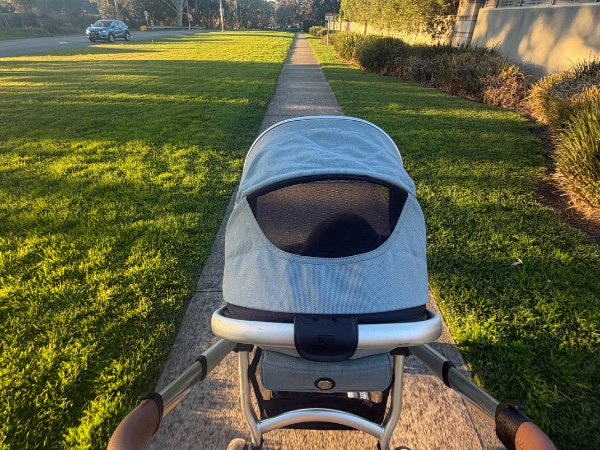
My reason Why..
Thursday 13th AugFour months ago, on April 19, 2026, my life changed instantly when I suffered my first epileptic seizure at home. The event began without warning, causing me to lose consciousness and suffer severe convulsions. My partner, Dan, acted immediately, administering CPR and contacting emergency services to keep me breathing while waiting for help to arrive.
When emergency services arrived, multiple ambulance crews and a Mobile Intensive Care Ambulance (MICA) unit worked to manage the continuous seizure activity. Because the seizures could not be brought under control with standard interventions, the paramedics made the decision to intubate me at home to secure my airway. I was transported to the nearest hospital for initial stabilization before being transferred to the Intensive Care Unit at the Alfred Hospital.
Upon arrival at the Alfred ICU, doctors placed me into a medically induced coma to protect my brain function and stop the seizure activity. I remained in the induced coma for two weeks under intensive monitoring before being safely brought back to consciousness.
Once stabilized, I was transferred to Frankston Hospital for the next stage of my care. During this period, I experienced severe, persistent physical pain in my back and chest. After advocating for further diagnostic testing, scans revealed that the physical force of the prolonged seizure and emergency resuscitation had caused multiple thoracic spine fractures and collapsed lung lobes.
My recovery over the subsequent months involved navigating both a new neurological diagnosis and significant physical trauma. Managing this transition highlighted several challenges within the system:
Inpatient Care & Diagnostics: Securing timely investigations for secondary injuries required persistent self-advocacy during hospital stays.
Epilepsy Support Resources: Beyond medication management, there was a noticeable lack of structured support or practical guidance tailored for patients adjusting to a major neurological condition.
Parenting with Chronic Illness: Navigating physical limitations—such as lifting restrictions from spinal fractures and driving bans—presented distinct daily challenges for managing parental responsibilities with a toddler, with minimal external support frameworks available for affected mothers.
Ongoing Medical Management: The recovery process required multiple hospital readmissions, medication adjustments, and ongoing pain management for the spinal injuries and lungs.
Since my initial emergency four months ago, I have progressed from critical care and an induced coma to managing my condition at home. While living with epilepsy and recovering from major physical injuries requires ongoing adaptation and self-advocacy, I have established a stable daily routine and continue to rebuild my physical strength and independence.
By sharing my experience, my goal is to raise awareness about the realities of living with epilepsy and the systemic gaps in post-diagnosis care. I hope that by telling my story, I can build a network of support, advocate for better resources for mothers navigating sudden chronic illness, and reassure others walking a similar path that they are not alone.
Share
 03 8809 0644
 walk@walkforepilepsy.org.au

